How to Choose Quality Taurine: What to Look For on the Label
Taurine is one of the simplest supplements by composition: it is usually a synthetic amino acid in powder or capsule form. Yet even here the price per gram, the composition and the labeling can differ substantially. The editors have put together a practical guide on how to read the label and avoid overpaying for marketing.
Where taurine in supplements comes from
Despite a common myth, the taurine in supplements and energy drinks is not obtained from animal sources. Industrial taurine is synthesized chemically, so it is usually suitable for both vegetarians and vegans, provided the capsule is not gelatin-based.
Synthetic taurine is chemically identical to that found in meat or fish. The differences between products concern not the molecule but the purity of the raw material, impurity control and dosing accuracy.
Most of the world's taurine production is concentrated in a few countries, so different brands often buy raw material from the same factories. That is why the quality of the final product is determined primarily by the brand's own controls: incoming analysis, certificates and packaging conditions.
Hence the first rule: more expensive taurine is not necessarily better. What matters more is whether the manufacturer documents its content and purity.
Dosage forms and how to choose
Three main formats are found on the market: powder, capsules and tablets. Powder is the cheapest per gram of active substance and allows flexible dosing, but it requires a measuring spoon.
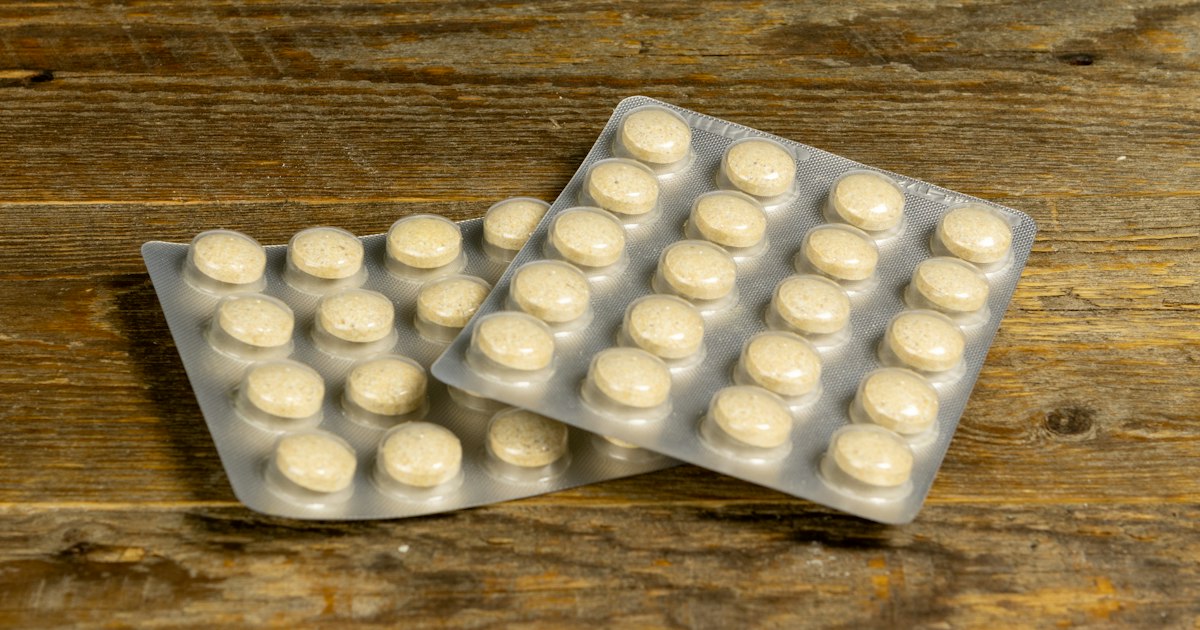
Capsules are convenient, but for a 2-3 g dose you will have to swallow several of them. Tablets may contain more excipients for compression.
A separate category is combination products: pre-workouts, energy drinks, "isotonics." There taurine is only one of the ingredients, and its dose is often undisclosed.
| Form | Advantages | Disadvantages | Who it suits |
|---|---|---|---|
| Powder | Low price per gram, flexible dose | Requires measuring, slightly sour taste | Those taking 2-3 g or more |
| Capsules | Convenience, precise dose | More expensive, several capsules per serving | For travel and small doses |
| Tablets | Compactness | More excipients | For those who dislike powders |
| Combinations | All in one | Hidden dose, stimulants | Only if you need the entire composition |
To compare cost, calculate the price per gram of taurine rather than per package or number of capsules. This is the simplest way to see how much you are paying for the brand and convenience.
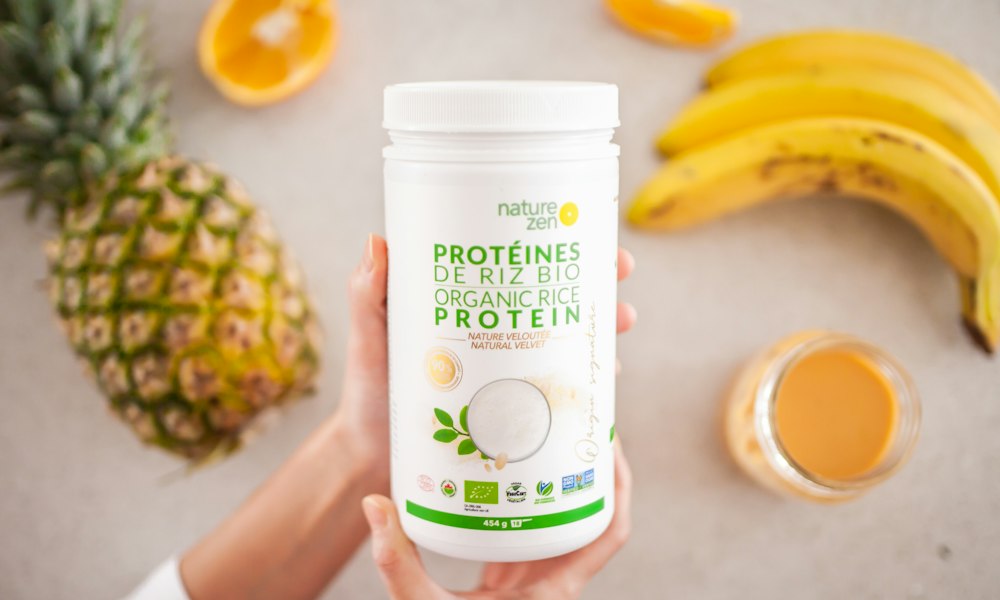
What should be on the label
In the European Union, the labeling of food supplements is regulated by Directive 2002/46/EC and Regulation 1169/2011 on consumer information. As Ukraine harmonizes its legislation, it is moving in the same direction, so these requirements are a good reference point.
The label of a quality product bears the category name "food supplement," the amount of active substance per recommended daily serving, usage recommendations, and warnings not to exceed the dose and to keep it out of reach of children.
Also mandatory are a full list of ingredients in descending order of weight, the details of the manufacturer or importer, the batch number, the expiry date and the storage conditions.
Pay attention to the following quality markers:
- the exact amount of taurine in milligrams per serving, rather than "within a blend";
- a short list of excipients;
- a batch number and a clear manufacturing or expiry date;
- manufacturer and importer contacts with a real address;
- third-party certification for athletes who undergo doping control.
Label traps
The most common trap is the "proprietary blend," where the total mass of the blend is stated but not the amount of each ingredient. Such a product may contain far less taurine than you expect.
The second trap is marketing phrases like "pharmaceutical grade," "ultra-pure," "clinical dose." If they are not backed by documents, they are just advertising words.
The third is a mismatch between the dose and the recommendations. For example, a capsule contains 500 mg and one capsule per day is recommended, even though studies used 1-3 g. This is not dangerous, but it is of little effect.
The fourth is hidden caffeine or other stimulants in products positioned as "taurine for energy." Read the full composition carefully, especially if you plan to take it in the evening.
Safety, storage and verification
Taurine has a good safety profile: the risk assessment by Shao and Hathcock (2008) set 3 g per day as the observed safe level for long-term intake, and EFSA (2009) found no risks with the usual consumption from energy drinks.
Taurine powder is stable but hygroscopic, so the packaging should be tightly closed and stored in a dry, cool place. Clumps or a change in color or smell are reasons to reject the product.
For athletes who undergo doping control, we recommend choosing products from independent certification programs that test batches for banned substances. Taurine supplements themselves are not on the WADA Prohibited List, but the risk of production-line contamination exists for any supplement.
If a product causes unusual symptoms - palpitations, anxiety, insomnia - check the composition for stimulants and stop taking it.
Editorial conclusions
Quality taurine is above all a transparent label: an exact dose per serving, minimal unnecessary ingredients, a batch number and manufacturer contacts.
For most people, the best choice is powder or capsules of pure taurine without stimulants; combinations make sense only if you genuinely need their entire composition.
Compare the price per gram of active substance and do not overpay for marketing wording.
We also recommend reading "Taurine: Dosage Forms and Which to Choose," "Taurine and Sleep" and "Taurine After 40."
References
- Directive 2002/46/EC of the European Parliament and of the Council of 10 June 2002 on the approximation of the laws of the Member States relating to food supplements. Official Journal of the European Communities. 2002;L183:51–57.
- Regulation (EU) No 1169/2011 of the European Parliament and of the Council on the provision of food information to consumers. Official Journal of the European Union. 2011;L304:18–63.
- Shao A, Hathcock JN. Risk assessment for the amino acids taurine, L-glutamine and L-arginine. Regul Toxicol Pharmacol. 2008;50(3):376–399.
- EFSA Panel on Food Additives and Nutrient Sources added to Food (ANS). The use of taurine and D-glucurono-γ-lactone as constituents of the so-called "energy" drinks. EFSA J. 2009;935.
- Kerksick CM, Wilborn CD, Roberts MD, et al. ISSN exercise & sports nutrition review update: research & recommendations. J Int Soc Sports Nutr. 2018;15(1):38.
- Kurtz JA, VanDusseldorp TA, Doyle JA, Otis JS. Taurine in sports and exercise. J Int Soc Sports Nutr. 2021;18(1):39.
Andriy Melnyk
A strength-sports coach and author of programs for beginner and intermediate levels. Writes about training planning.